
BLOG
wine complexity
Summary:
What does complexity mean in wine?
Many people talk admiringly about complexity as a positive and desirable attribute in wine. However, it is often unclear what exactly they have in mind when using the term. In this talk, I will address various ways of defining complexity, and what experimental evidence has revealed regarding how people – both novices and experts -
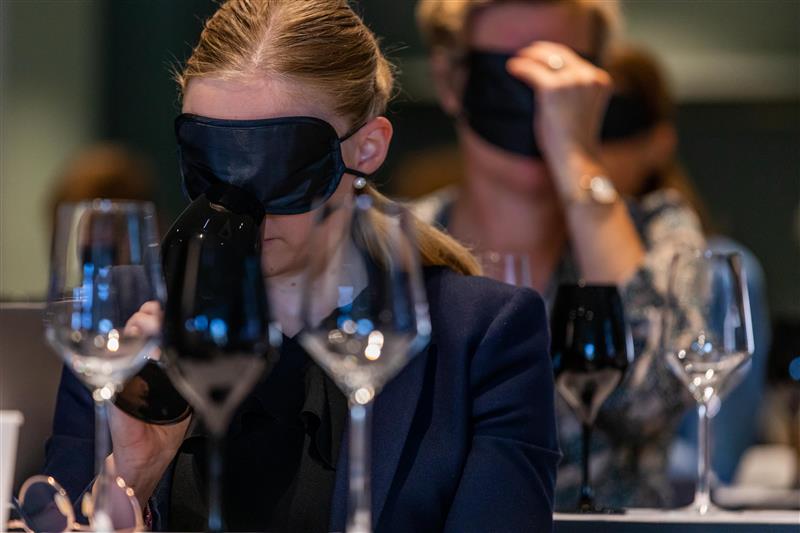
Picture a wine student in an exam, glass in hand, working methodically through the grid: clarity, intensity, aroma, palate, structure. She's been trained to be objective, to leave her biases at the door, to divide the whole into its component parts: acidity, tannin, fruit, oak—and reassemble them into a neat summation. She might even get the ‘right’ answer, but has she actually tasted the wine?
This scene plays out in tasting rooms and wine schools around the world, every day. It's the foundation of modern wine education: systematic, analytical, replicable. And for certain purposes—building vocabulary, developing sensory memory, passing standardized exams—it works. It corresponds perfectly to the reductionist paradigm from which it springs. And yet, something essential is missing. Wine becomes an object to be decoded and dominated rather than an experience to be lived and moved by. The taster becomes a technician rather than a participant.