
BLOG
Tasting Diploma
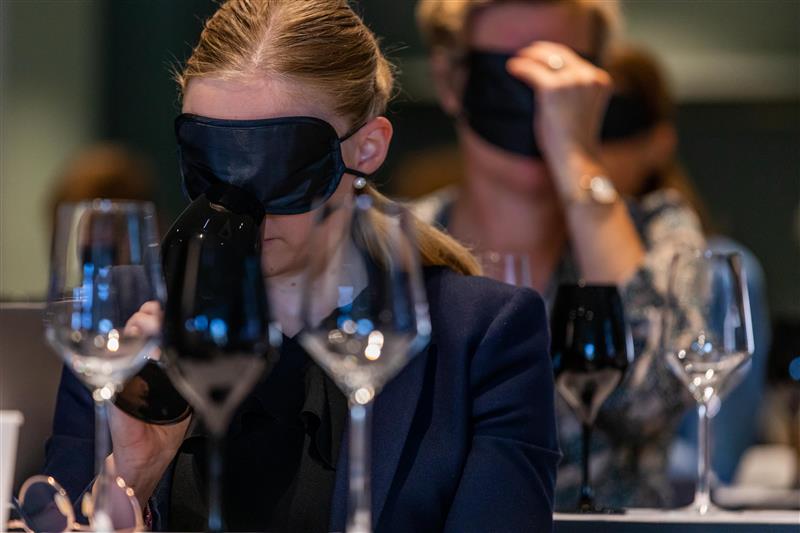
Picture a wine student in an exam, glass in hand, working methodically through the grid: clarity, intensity, aroma, palate, structure. She's been trained to be objective, to leave her biases at the door, to divide the whole into its component parts: acidity, tannin, fruit, oak—and reassemble them into a neat summation. She might even get the ‘right’ answer, but has she actually tasted the wine?
This scene plays out in tasting rooms and wine schools around the world, every day. It's the foundation of modern wine education: systematic, analytical, replicable. And for certain purposes—building vocabulary, developing sensory memory, passing standardized exams—it works. It corresponds perfectly to the reductionist paradigm from which it springs. And yet, something essential is missing. Wine becomes an object to be decoded and dominated rather than an experience to be lived and moved by. The taster becomes a technician rather than a participant.
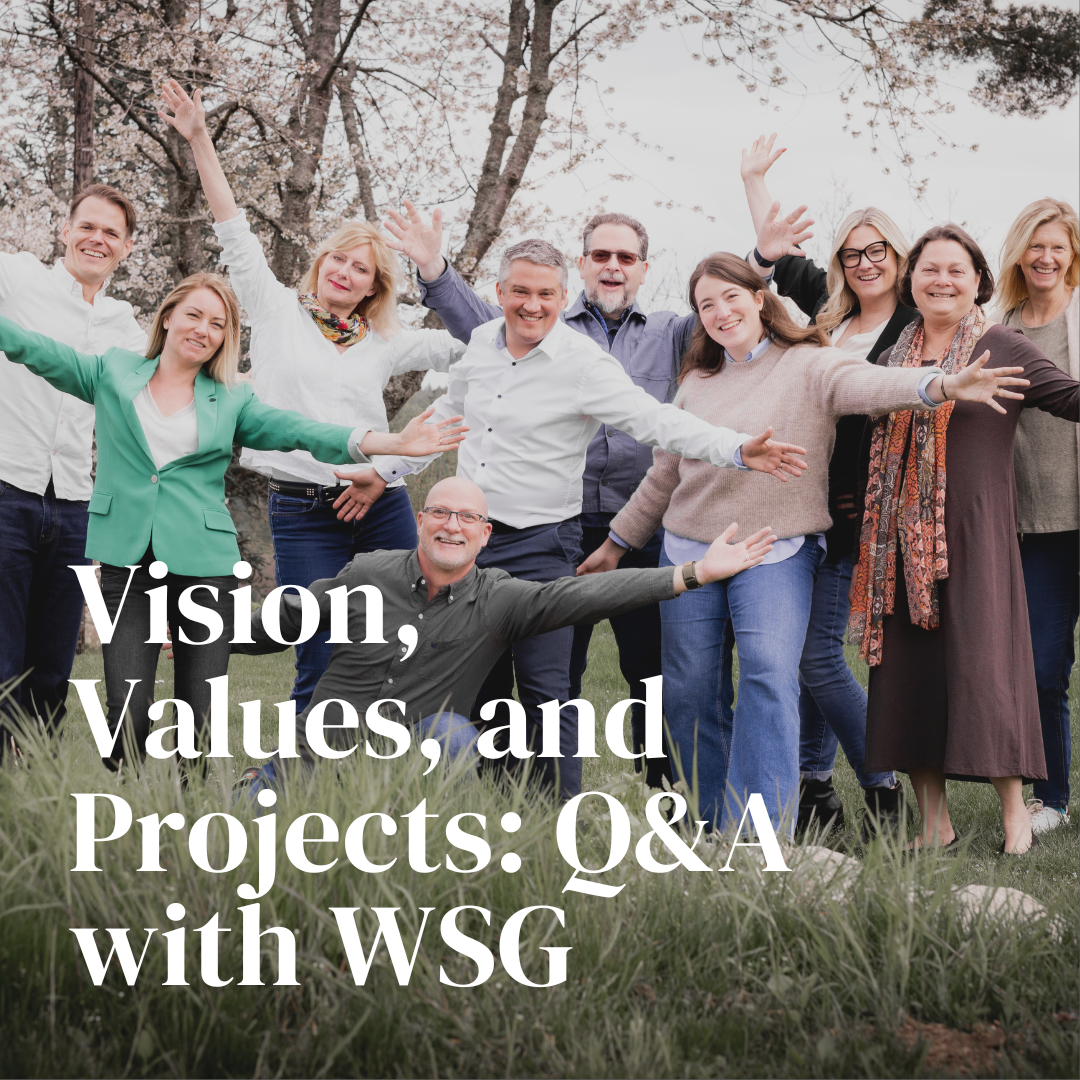
Earlier last month, I ran my first webinar for Wine Scholar Guild (WSG) — an overview of what it means to be a wine journalist and what it takes to turn this into a viable and successful career choice. Ahead of a series of stories I’m going to be regularly writing for the blog and a brand-new podcast due to launch later this year (more on this further down), the webinar’s topic was the ideal means to introduce myself to the WSG audience.
What happens when the very act of tasting wine no longer keeps pace with the wines themselves? What if the way we teach tasting is no longer fit for purpose—not for students, not for wines and certainly not for the future of wine culture?

The WSG Tasting Diploma is a bold, multidisciplinary program designed to break free from the technical and soulless tasting methods that are most commonly taught. It's a complete reimagining of how to taste wine.
This revolutionary course will allow students to take their critical tasting skills to the next level and gain deeper understanding of expression of place and terroir in wine. The course delves deeply into neuroscience and a qualitative approach to wine tasting, with an emphasis on texture and mouthfeel. We consider many elements that are neglected in traditional tasting methodologies, such as energy, vitality, salivation and digestibility. In this article, Simon J. Woolf asks what makes the difference between mass produced commodity wine and artisanal wine that reflects its origins.
Twenty years ago, Wine Scholar Guild began with a clear mission: to deepen the world’s understanding of France’s wines through education. It was 2005, and I was 23 years old, working as a trade attaché at the French Embassy in Washington, DC. This was a time of anti-French sentiment in the US, and French wine—something I knew to be an expression of place, people and culture—was caught in the crossfire.