
BLOG
German producers
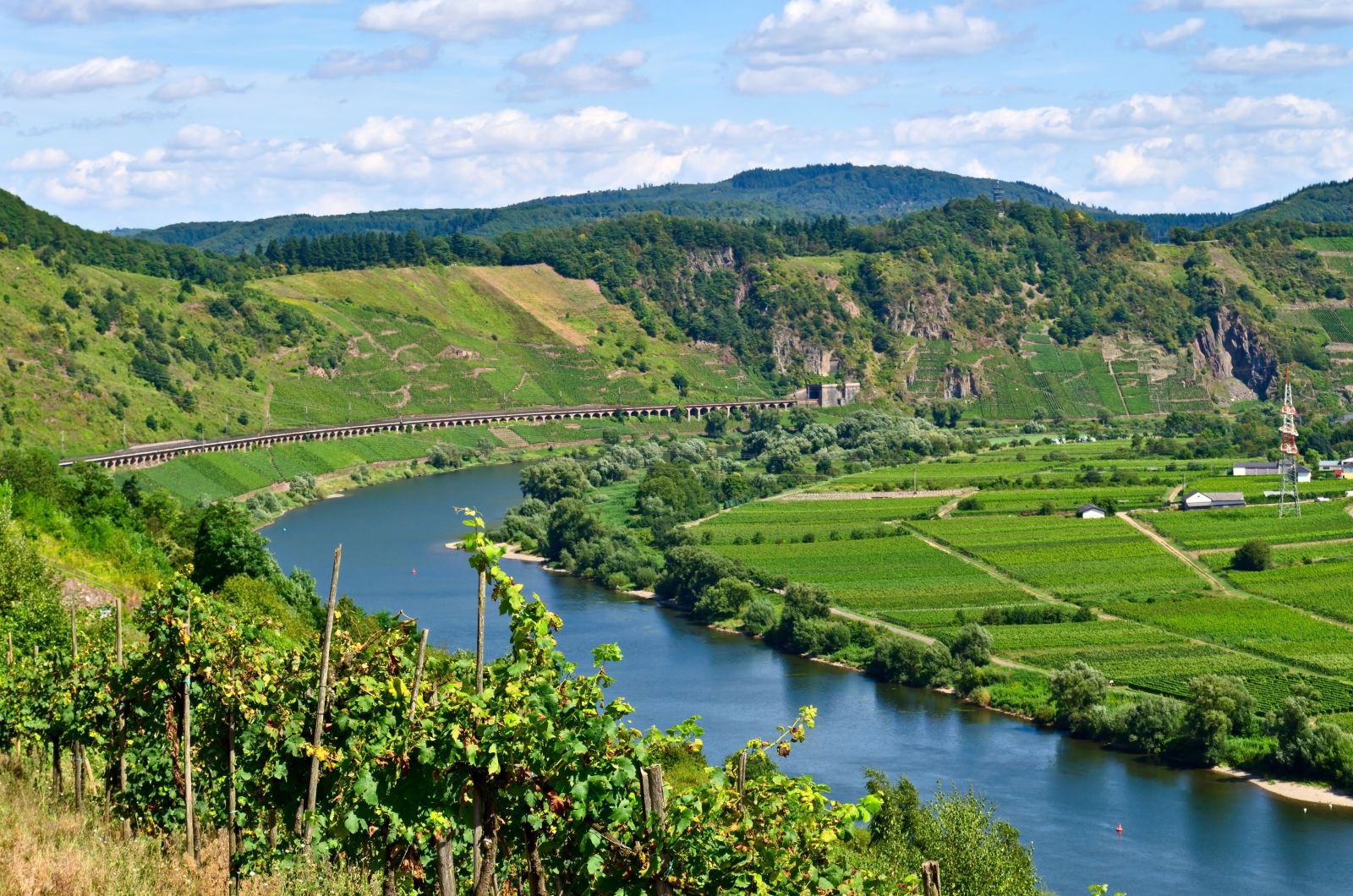
Germany’s most mythic and misunderstood wine region has always balanced on a knife’s edge. Today is no different. Only the elemental forces have changed. To understand the Mosel requires an appreciation of what animates — and challenges — it. There is a sense of urgency to preserve what has long felt timeless and immutable, but is proving all too susceptible to market and climate shifts. Overall, the current dynamic is one of pressured if positive convergence. There are peerless steep slopes where growers set global benchmarks for Riesling. There are forgotten side valleys. There is virtuosic skill honed over generations. There is raw, fresh talent. For decades, these existed in a hierarchy of tested value. Today, the deck is shuffled. Wines from a 14th-century estate may be as coveted as those of a start-up. In some cases, the ancient winery and the start-up are one in the same.