
BLOG
Champagne glass

A BIT OF WINE CHEMISTRY: Lessons from Champagne
Day one of the Champagne study trip initiated a discussion which continued throughout the week of factors impacting aromas and flavors in champagne. Broadly, aromas can be categorized into the impacts of grape variety, terroir, vinification, and post-production events (influencing individual bottles versus entire “batches”).
This article will focus upon the biochemistry of sulfur, nitrogen, oxygen, and sugars in an acidic environment (esters arising from acidification of alcohol); the intent is not intended to be comprehensive. For purposes of this essay, the use of the word aroma will include the complex notes of aging characterized as “bouquet.”
“Although many efforts have been made to characterize the quality and flavor of the compounds in wine… tasting remains the single universal test used… This is because the taste of a molecule, or blend of molecules, is constructed within the brain of a taster.” F. Brochet and D. Dubourdieu, 2001
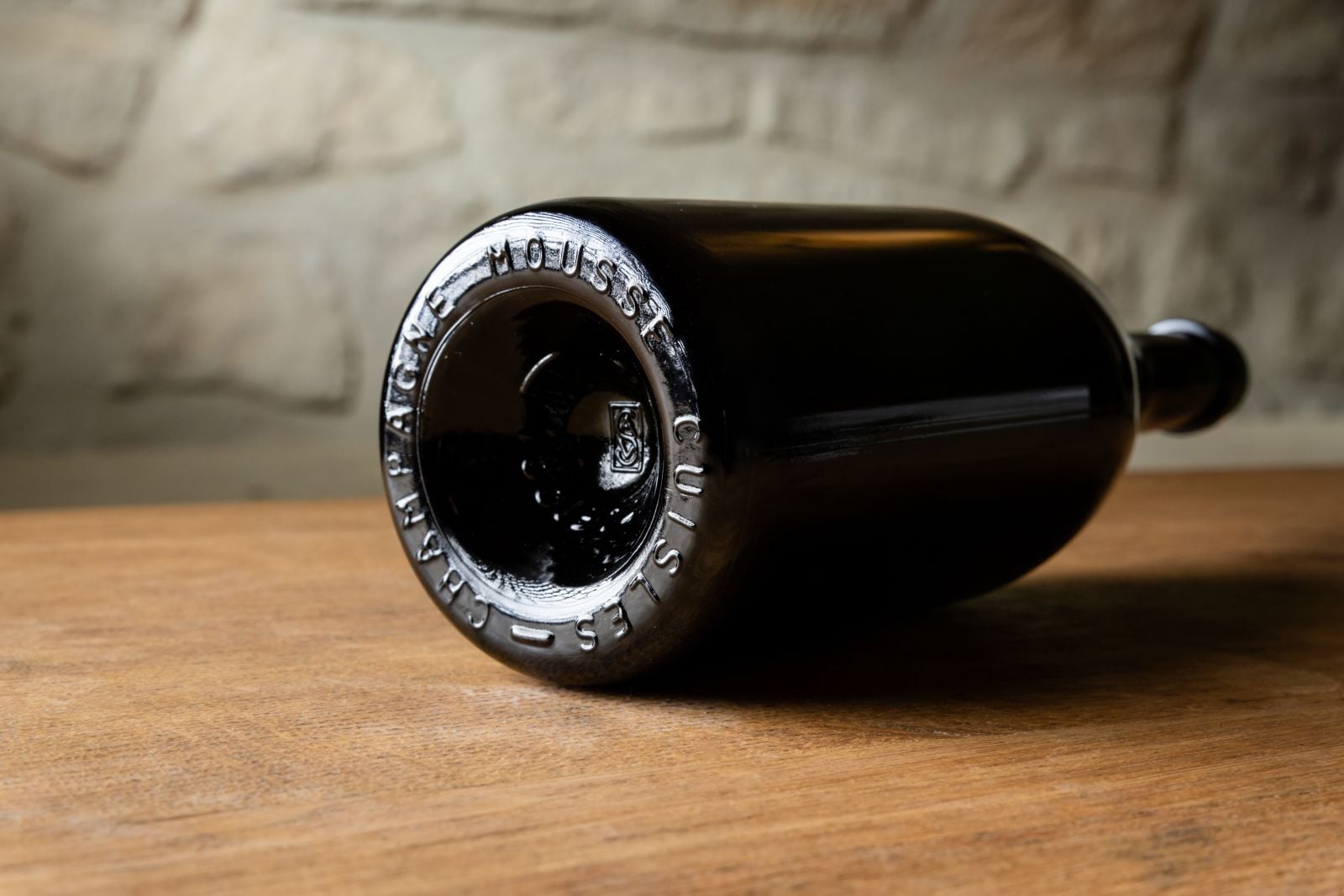
Ask a Champagne lover whether they'd prefer a bottle or a magnum, and watch what happens to their face. The eyes light up. The answer, invariably, is magnum — even among those who couldn't tell you exactly why. It turns out that instinct is correct. The magnum effect is not romantic mythology. It is physics. But what if a standard 75cl bottle could outperform a magnum? Until recently, the question was purely hypothetical. Now, it is not.