BLOG
The Wines of Cirò: What Makes Calabria’s First DOCG so Special?
Wine Scholar Guild
Regions and Producers

Compared to more famous Italian wine regions, such as Toscana and Piemonte, Calabria is relatively overlooked on the international stage. But in 2025, it received some much-deserved recognition: Cirò Classico was finally promoted to Calabria’s first DOCG.
There are several factors that make this appellation so special, including its history, its terroir and the distinctive style of wine it produces thanks to the characterful Gaglioppo grape. Comparisons with Barolo abound; are they well-founded or just wishful thinking?
Cirò: History and Terroir
Calabria is a long peninsula representing the most southerly part of mainland Italy, with just a thin stretch of water separating it from the island of Sicily. Cirò, by far Calabria’s largest DOC in terms of volume, is located on its eastern coastline in the province of Crotone (for a quick introduction to Calabria, check out his 101 guide).
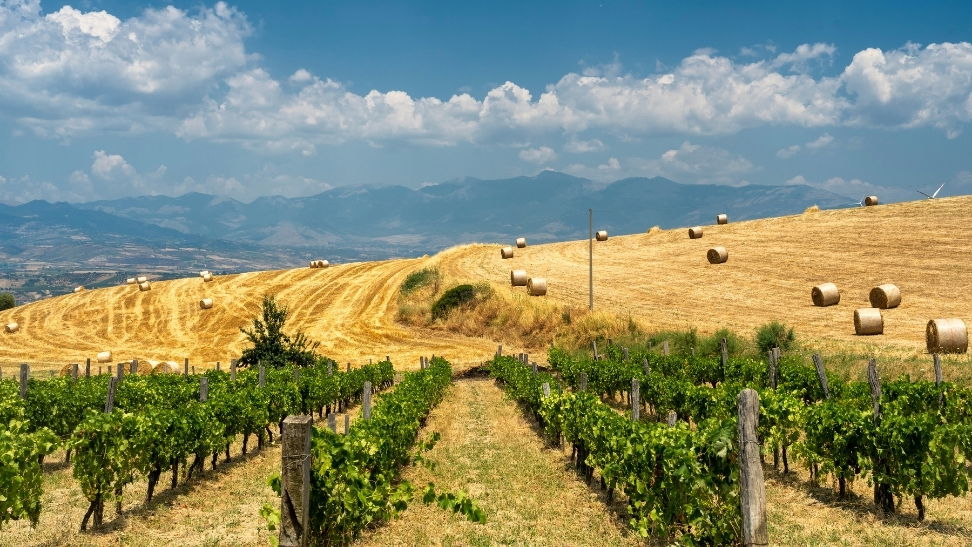
The DOC, established in 1959, is named after the hilltop village of Cirò, situated in the eastern foothills of the Sila mountain range and just 6 km/4 mi from the Ionian Sea. It includes three other communes: Cirò Marina, Crucoli and Melissa. The highest vineyards reach an elevation around 450 m/1475 ft, and soils are primarily clay limestone with some outcrops of sand.
Calabria enjoys a Mediterranean climate, with hot, dry summers and rainfall concentrated in autumn and winter. Cirò’s proximity to the sea brings welcome marine breezes that moderate the heat and help keep the vineyards free of fungal diseases.
Wine production in Calabria goes back thousands of years. According to legend, victorious Olympic athletes used to be offered Krimisa as a prize, a wine once produced from where Cirò stands today.
|
Cirò DOC: Key facts
|
Styles and Grapes
Though Cirò is best known for its reds, it makes wine in three colors. Whites have to be at least 80% Greco Bianco (no relation to the Greco of Campania), with other authorized local varieties such as Alberello and Pecorello. They tend to be dry, saline and tense, with stone fruit flavors tinged with flowers, herbs and honey.
Gaglioppo is Calabria’s flagship red grape and it must make up 80% of the blend in Cirò rosso. The remaining 20% is made up of indigenous grapes such as Magliocco, but only a maximum of 10% of Barbera, Cabernet Franc, Cabernet Sauvignon, Merlot and/or Sangiovese is allowed. The same blending rules apply for Cirò’s savory rosato.
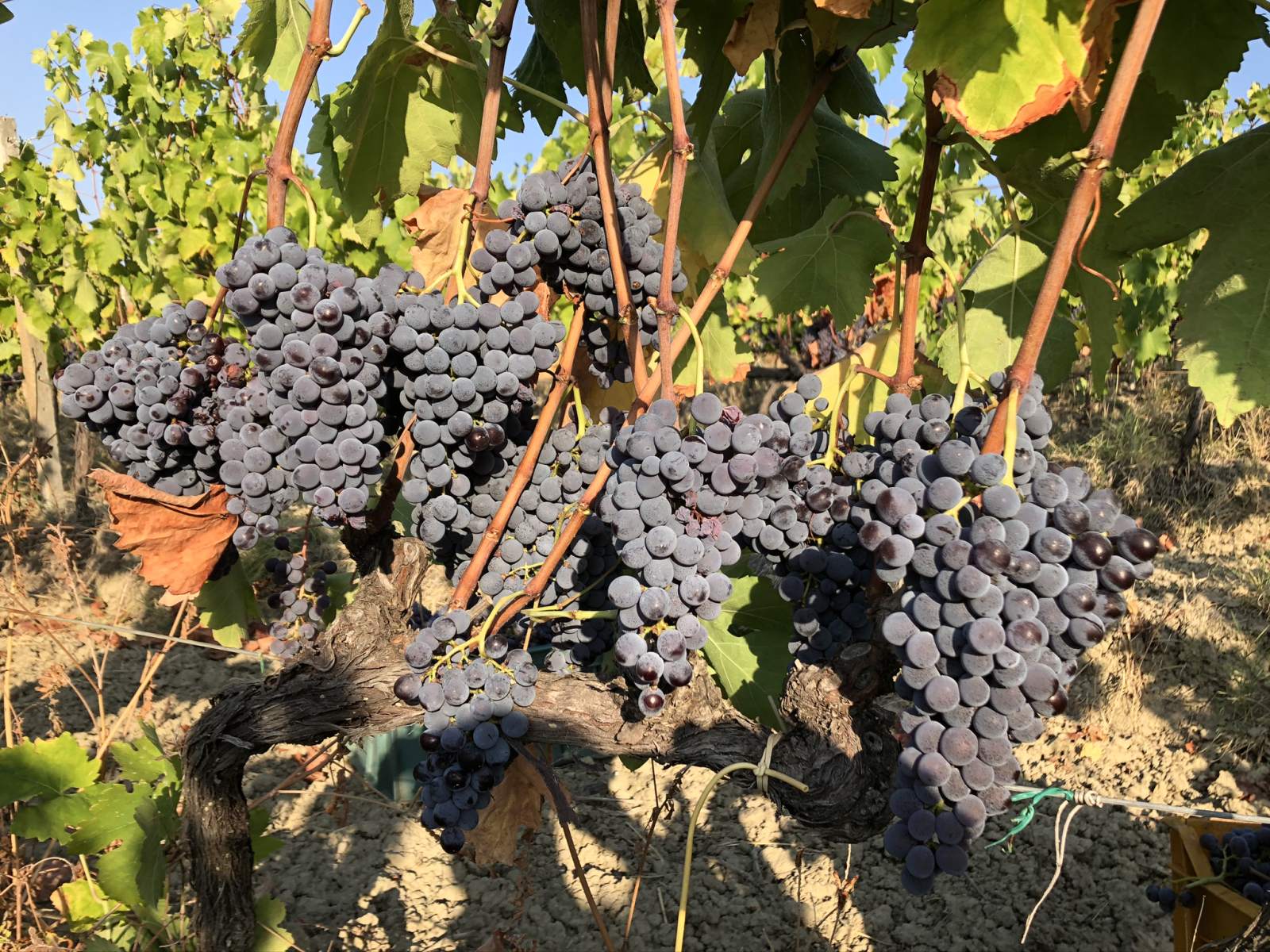
Gaglioppo grapes, Giusy Andreacchio
The Gaglioppo grape is prone to making very tannic wines, but this isn’t the only reason Cirò rosso is sometimes compared to a more famous red from Piemonte. According to a recent blog post by Andrea Eby, Italian Programs Director at WSG, “Its pale garnet color with orange tinges often draws comparisons to Nebbiolo; however, stylistically it has the potential, in the right hands, to deliver the aromatic complexity of Barolo.” And both wines can age impressively–up to 20 years and more.
If Gaglioppo is harvested underripe or handled roughly in the winery however, it can make for harshly tannic wines. It has been criticized for rusticity in the past, but there are increasing numbers of elegant examples being made. With the finer wines of Cirò, the stylistic comparison with Barolo is not unfounded.
In fact, Calabrian wine expert Giusy Andreacchio of Guisy Wine Consultancy says that up to the 2000s, Gaglioppo was even sent up to Piemonte in poor vintage to boost the tannins of some local wines.
|
Additional terminology
|
Cirò Revolution
One of the driving forces behind Cirò’s recent improvements in quality is an affiliation of small estates known as Cirò Revolution. Established in 2010, these like-minded winemakers came together in order to champion their vision of traditional Cirò. They were jointly opposed to a change in DOC rules that allowed international varieties such as Merlot, Cabernet Sauvignon and Cabernet Franc to be included in the blend. Andreacchio says that the amendment was introduced to give the wines softer profiles and deeper colors in order to make them more commercially viable. But not everyone welcomed the change.
Group members pledged to work in a defiantly traditional way: using 100% Gaglioppo, avoiding barriques and working sustainably. Their wines helped raise Cirò to new heights of quality and attracted some well-deserved international attention.
Promotion to DOCG
In 2025, it was announced that producers who follow more stringent practices for their reds are able to use the classification Cirò Classico DOCG–a first for Calabria.
Grapes must be from the classico area, so between the hilly vineyards of Cirò down to the low-lying, flatter area of Cirò Marina. Gaglioppo must make up at least 90%; only Magliocco and/or Greco Nero can make up the remaining 10%. In practice, most wines will be pure Gaglioppo.
Additionally, the minimum alcoholic strength is 13.0% abv and wines need to go through extended maturation: at least 36 months, at least 6 months of that period in wooden barrels.
The Future
After many years of struggle and underinvestment, Cirò Classico’s promotion to DOCG might serve to inspire other Calabrian appellations to strive towards higher quality. “It raises the bar for Calabrian wines,” says Andreacchio.
Inside Cirò, producers are now looking at different crus to further explore and express their terroir.
Despite the comparisons with Barolo, there is one big difference with Cirò: the prices of Cirò are typically much lower. With the ascendency of Barolo and Barbaresco in recent years, clearly there is a large cohort of wine lovers worldwide that enjoy robust, structured, savory Italian reds–and are prepared to pay for them. Which is encouraging news for the winemakers of Cirò.
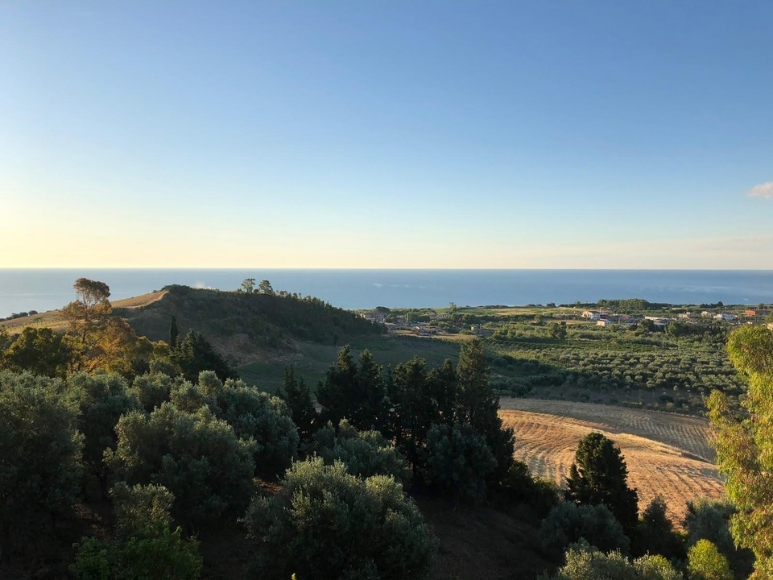
Discover Calabria's Top Producers:
Top producers include Librandi, A’ Vita, Arcuri Sergio, Baroni Capoano, Brigante Vigneti & Cantina, Cantina Enotria, Caparra & Siciliani, Cote di Franze, Fratelli Cerminara, Fratelli dell'Aquila, Ippolito 1845, L'Arciglione di Cataldo Calabretta, Santa Venere, Scala Francesco, Senatore Vini, Tenuta del Conte, Vigneti Vumbaca and Zito. WSG Members can access full details on these producers and others across Italy, in our Producer Guide.