
BLOG
riesling
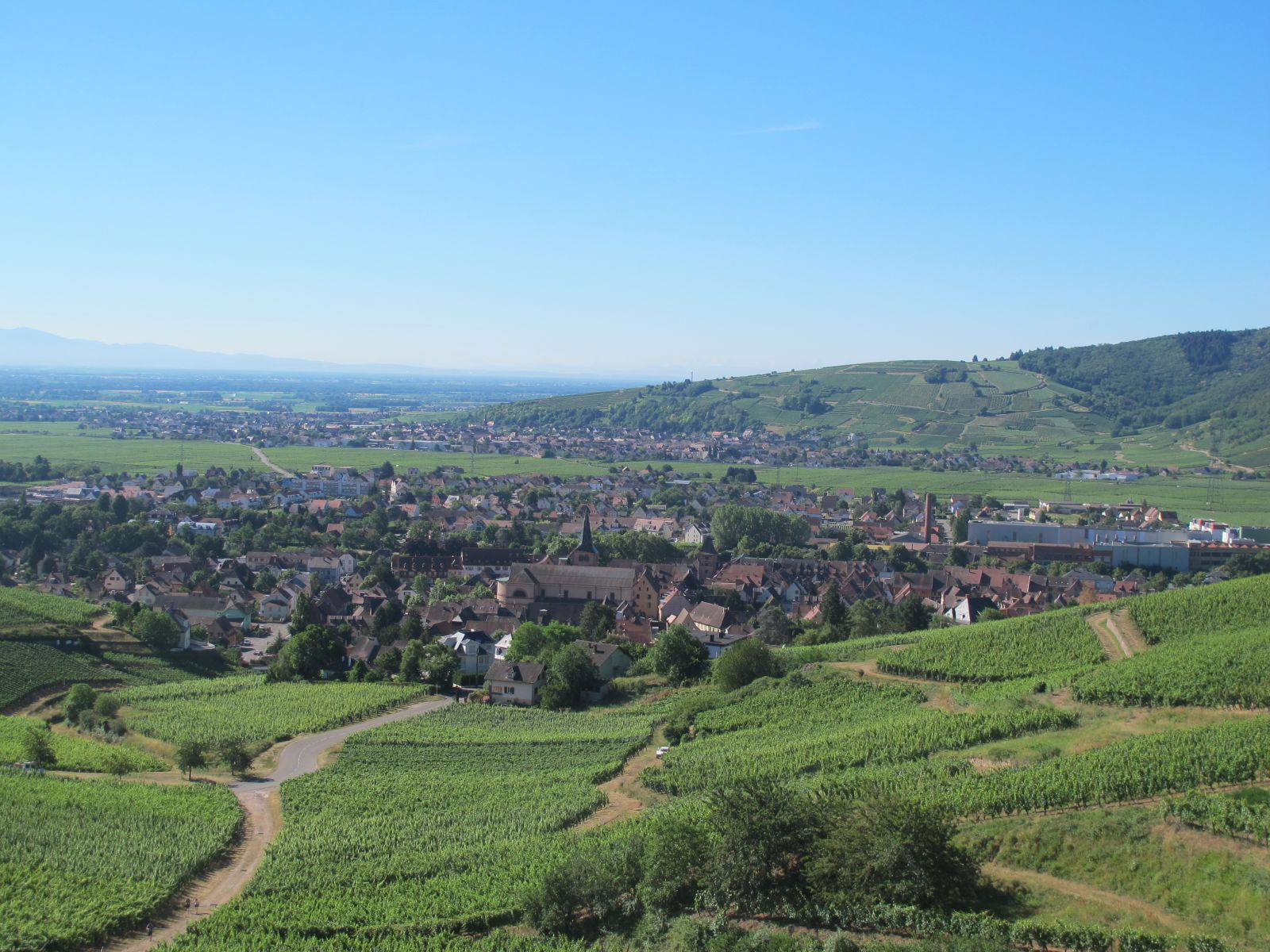
Why Alsace Riesling Is a Collector’s Favorite — and Still Under the Radar
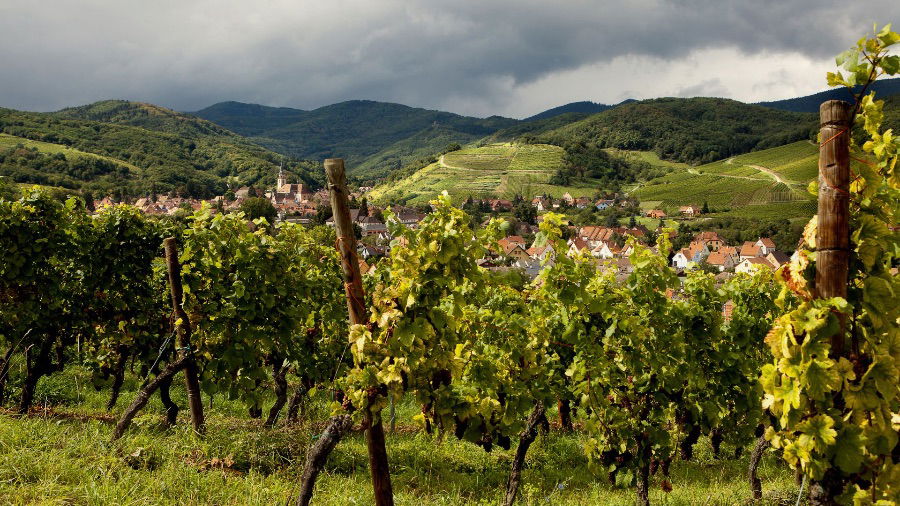
How did that happen? Call it what you want (fashion, peer-group pressure, herd instinct, a historical hangover) but somehow or other Alsace has ended up as France’s most neglected and misunderstood wine region.

How to Watch
You can watch this live webinar in our community platform here
Summary
What’s Hot in Alsace?We’ll dive into the rising stars — from the buzz around Pinot Noir to the unstoppable momentum of Crémant

There’s no wine region I enjoy visiting more than Alsace.
It’s beautiful, of course – and not just the half-timbered houses around which a profusion of flowers seem to float, or the grand hillside vineyards romping up to the forested Vosges mountains, always somehow bigger and more imposing in scale than those of Burgundy. The growers are fascinating characters, too, as if their historical and geographical position, wedged between (and much fought-over by) France and Germany, has given them an independence of thought which eludes those with a more settled position in each wine culture.
Then there’s the wines. It’s commonplace to say that Alsace wines are underappreciated -- but it’s true. For me, no white wine region can offer more diversity and intrigue than Alsace, nor does any single regional range of white wines appeal more to my palate...
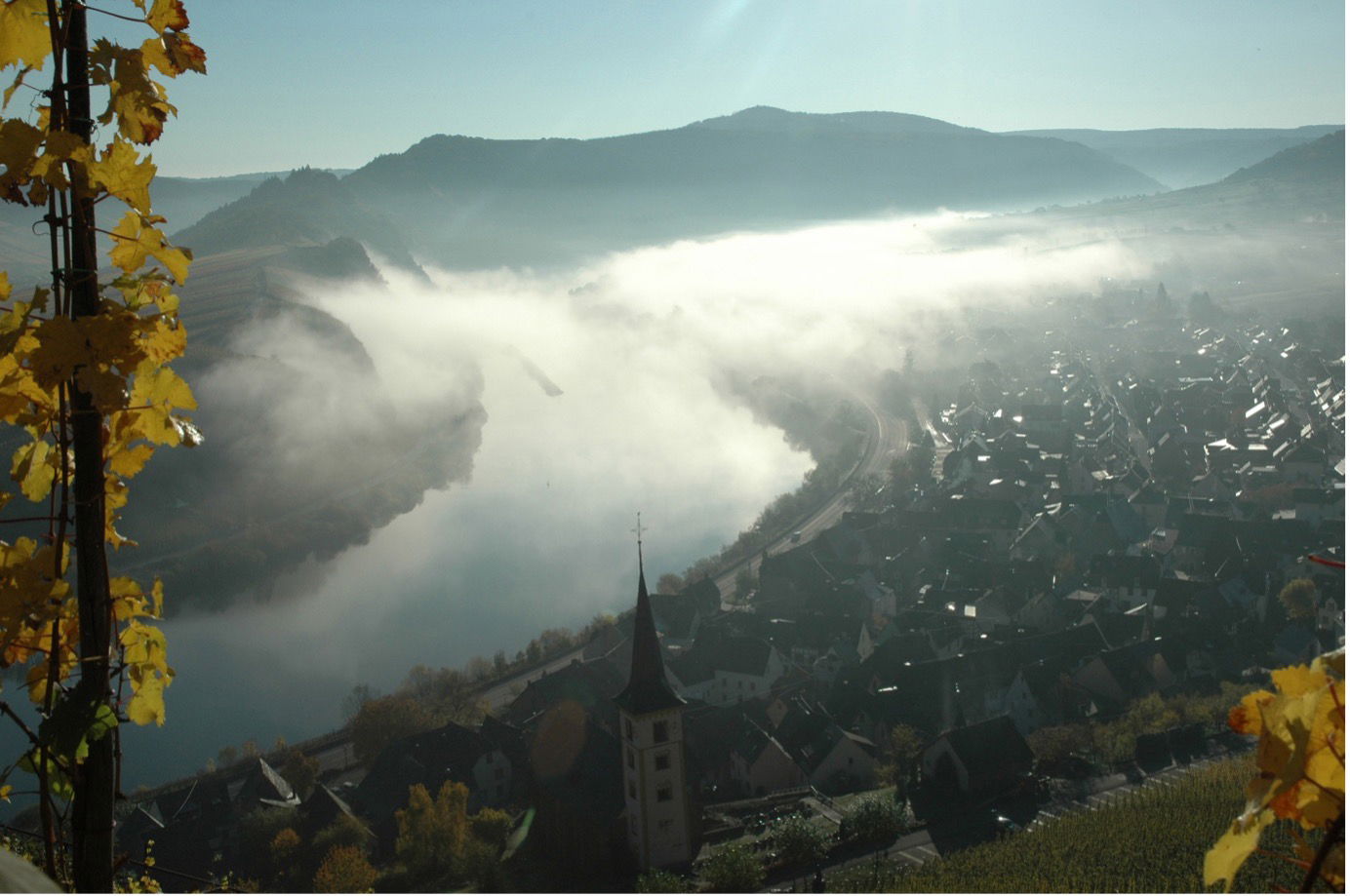
In his latest piece for WSG, Matt Walls considers whether the recent renaissance of Mosel Riesling has a modern trend to thank.
If you want to find the best value wines on the planet, here’s a tip: choose a style with a long history that’s currently unfashionable. You can pick up wonderful bottles of sherry and Sauternes right now at indecently low prices simply because, through no fault of their own, they’re no longer in vogue. German wines have also seen huge swings in popularity over the years, particularly off-dry and sweet Rieslings.
Today, German producers are reporting a renewal in interest in some of these styles. Many wine lovers are no doubt attracted by their natural brilliance; they are and have always been, among the finest white wines in the world. But their resurgence is also in part thanks to their naturally low alcohol levels. Is the modern trend for lower-alcohol wines giving this ancient region an unexpected boost?
Summary:
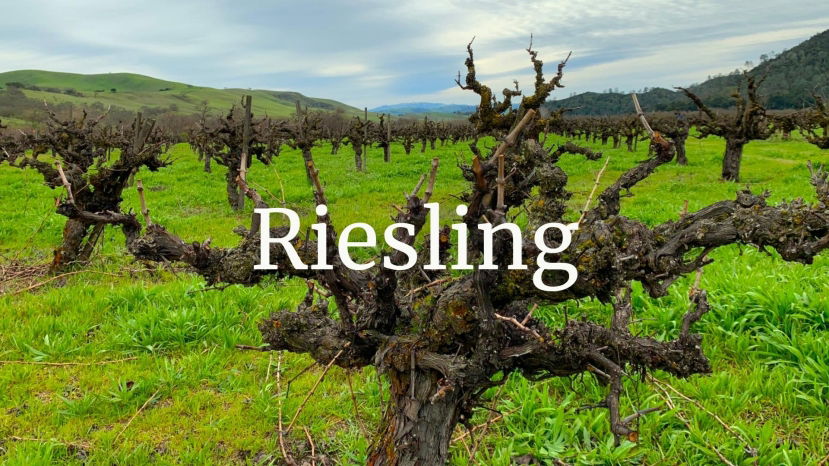
Riesling isn’t the first grape we think of when considering “international varieties.” Yet it thrives from the suntraps of Napa Valley to the cool valleys of the Antipodes.
In this WSG Live, we will briefly examine the origins of Riesling, trace its early spread through Germany, and then zero in on the surprising range of regions where it thrives today: Alsace, Austria, Luxembourg, Northern Italy, the U.S. West Coast, Michigan, and New York, as well as Australia
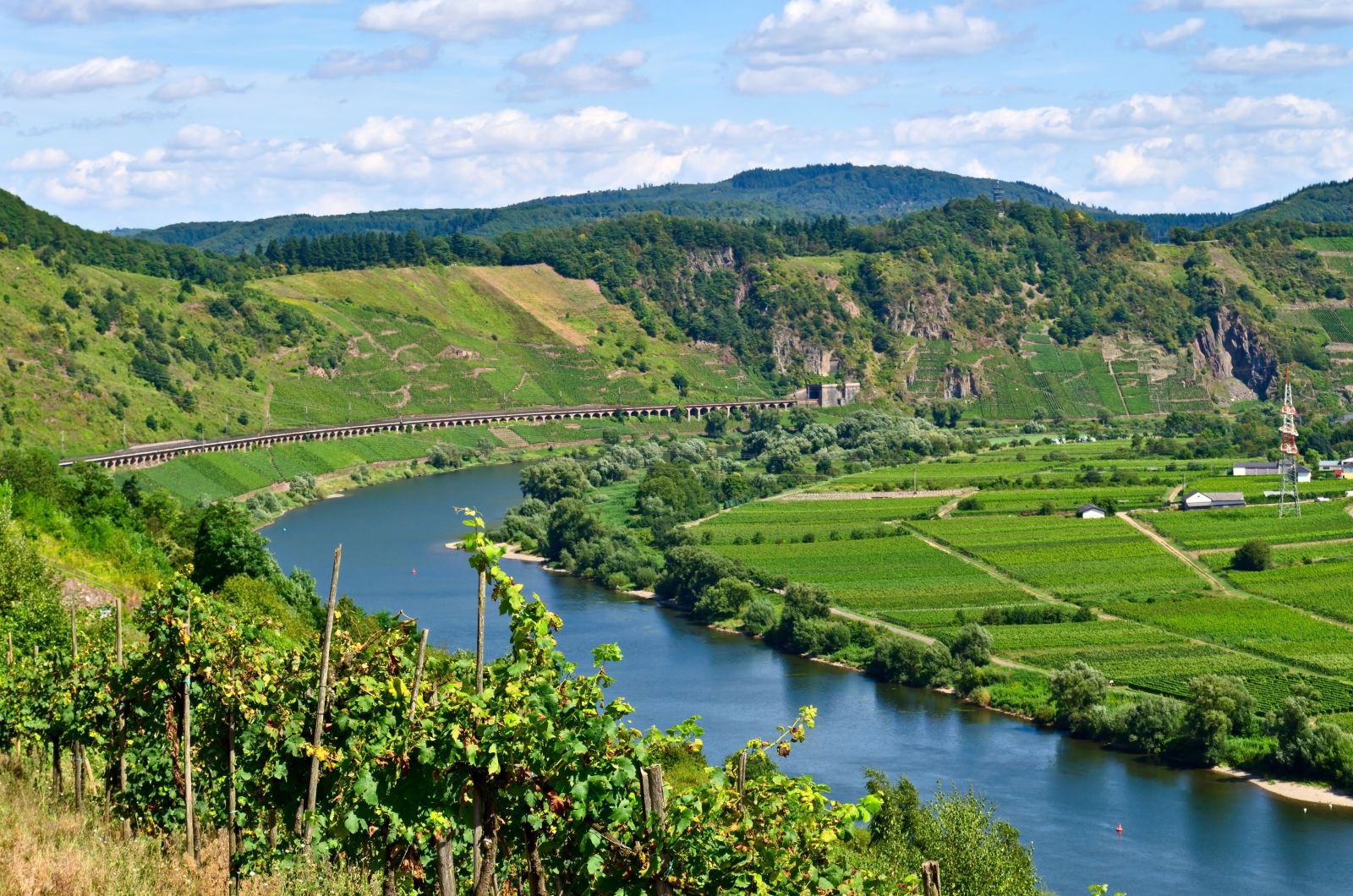
Germany’s most mythic and misunderstood wine region has always balanced on a knife’s edge. Today is no different. Only the elemental forces have changed. To understand the Mosel requires an appreciation of what animates — and challenges — it. There is a sense of urgency to preserve what has long felt timeless and immutable, but is proving all too susceptible to market and climate shifts. Overall, the current dynamic is one of pressured if positive convergence. There are peerless steep slopes where growers set global benchmarks for Riesling. There are forgotten side valleys. There is virtuosic skill honed over generations. There is raw, fresh talent. For decades, these existed in a hierarchy of tested value. Today, the deck is shuffled. Wines from a 14th-century estate may be as coveted as those of a start-up. In some cases, the ancient winery and the start-up are one in the same.
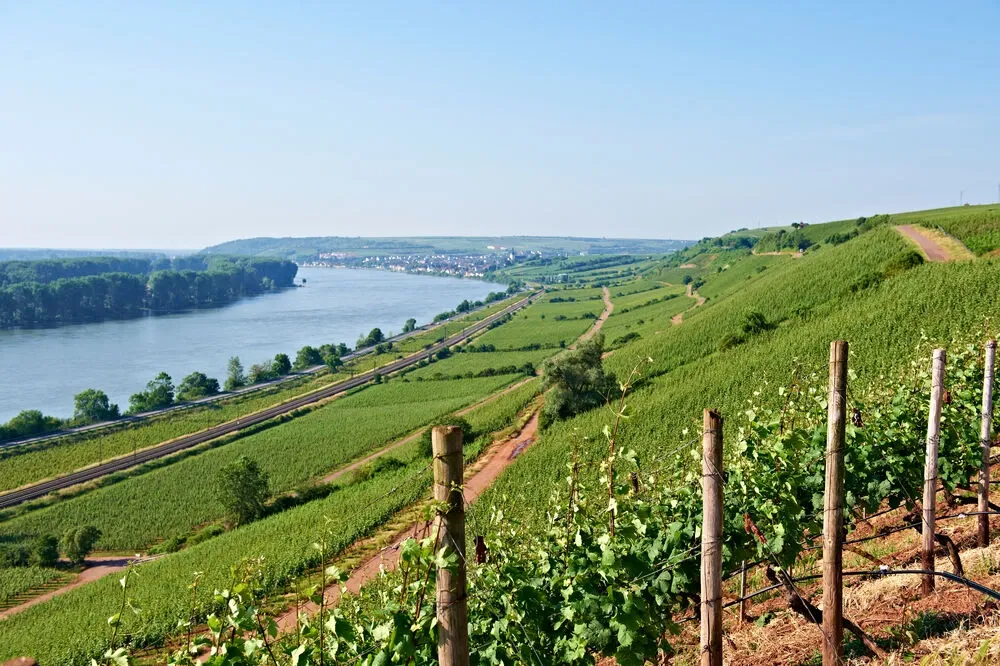
A new German wine law requires coming to grips with not one complex system, but three.
German wine classification is vexing: impeccably precise yet notoriously inscrutable — and bifurcated at that. The good news? Germany's national classification system was recently reformed to improve clarity and transparency. The bad? Those reforms do not take full effect until 2026. So, for now, students of German wine must master not one complex classification system, but three. With all this in mind, here is a short guide to the long story of how Germany classifies its wines. Strap in!